 info@chlorination.com
 0800 881 3038

What makes Chlorine Dioxide dosing the safest method of water disinfection?
Chlorine Dioxide (ClO2) has replaced that of Chlorine (Hypochlorus Acid) in water treatment and disinfection because of the many advantages brought by a biocidal and antiviral power – meaning it is able to safely destroy the harmful substance contained within the water.
Chlorine Dioxide (ClO2) is indeed the safest and most effective answer against the risk of Legionellosis, especially in hot water systems. It works by affecting and breaking down the natural habitat in which the Legionella bacteria proliferates, amongst other harmful bacteria. Using Chlorine Dioxide (ClO2) has demonstrated to be no less than 10 times more effective against bacteria, algae, fungi and viruses, making for the prime factor in safe water disinfection.
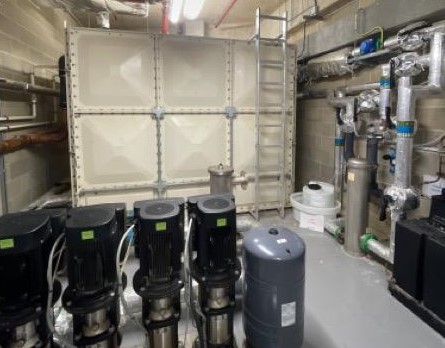
Moreover, Chlorine Dioxide (ClO2) is not aggressive towards internal pipework and its effects are longer lasting. They also infiltrate a wider area from the injection point, ensuring the treatment of the whole plumbing system, just by using a small amount of product. Unlike with Chlorine, there is no risk of the formation of potentially cancer causing by-products during disinfection; for all these reasons the use of Chlorine Dioxide (ClO2) is much less of a health risk to the user and is suitable for drinking water treatment.
In addition to combating Legionella in hospitals, nursing homes, schools and hotels, other applications for Chlorine Dioxide (ClO2) disinfection are in the food and beverage industries, waste water treatment, in agriculture, livestock farming, viticulture and in cooling towers.